
By Nonye Aghaji
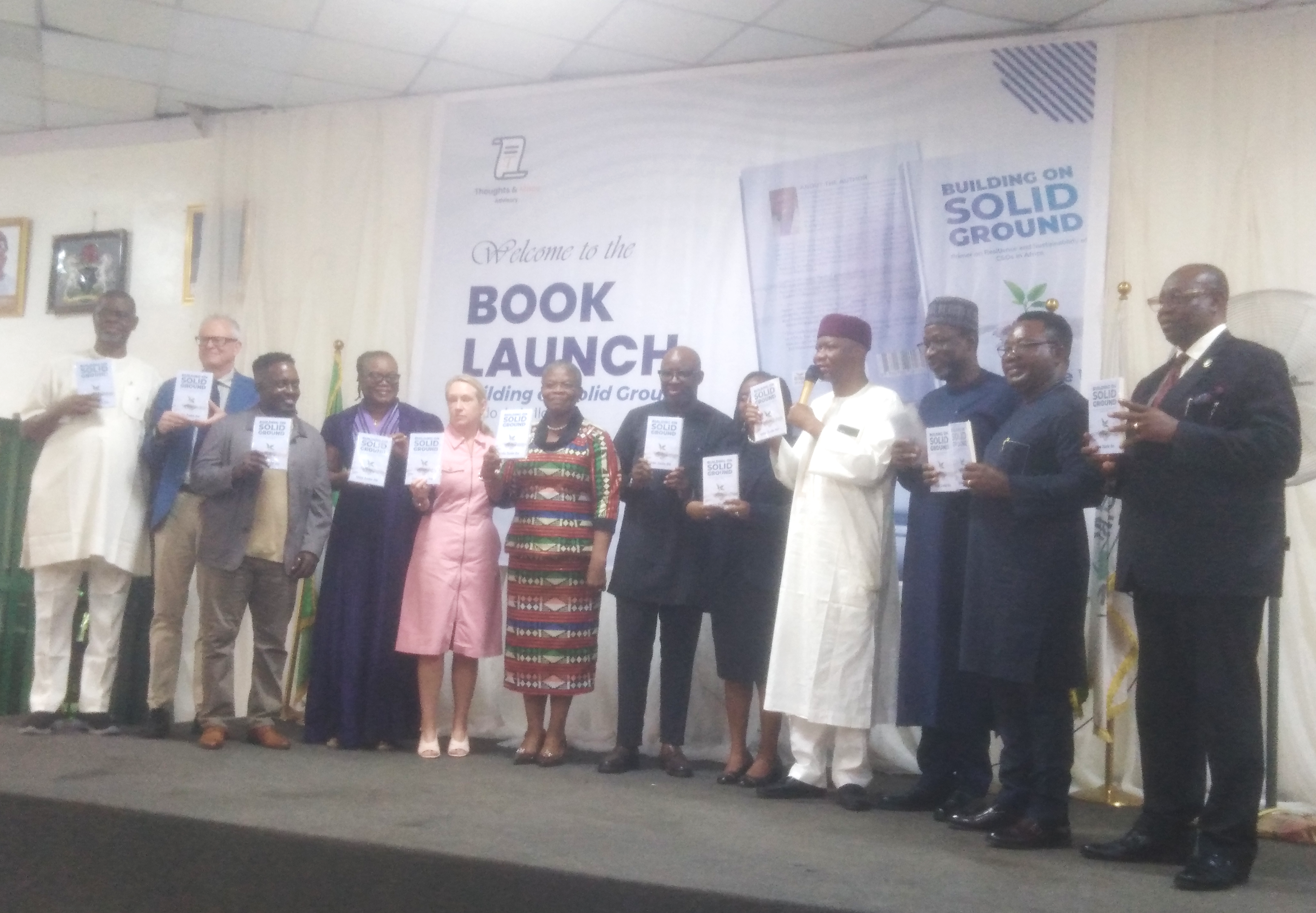
One of the defining moments for African civil society in mid-2026 unfolded in Abuja when practitioners, policymakers, diplomats, and activists gathered for the public presentation of Building on Solid Ground: Primer on Resilience and Sustainability of CSOs in Africa by Udo Jude Ilo.
What began as a book launch quickly became a deeper conversation about the future of citizen-led movements on the continent.
For decades, civil society has been Africa’s moral conscience; from resisting military rule and supporting pro-democracy struggles to tracking public budgets, fighting gender-based violence, and protecting electoral integrity.
Yet beneath this legacy lies a difficult reality. Many of the organisations that hold power accountable are themselves facing challenges of sustainability, donor dependency, and institutional survival.
The Reality of the Funding Cliff
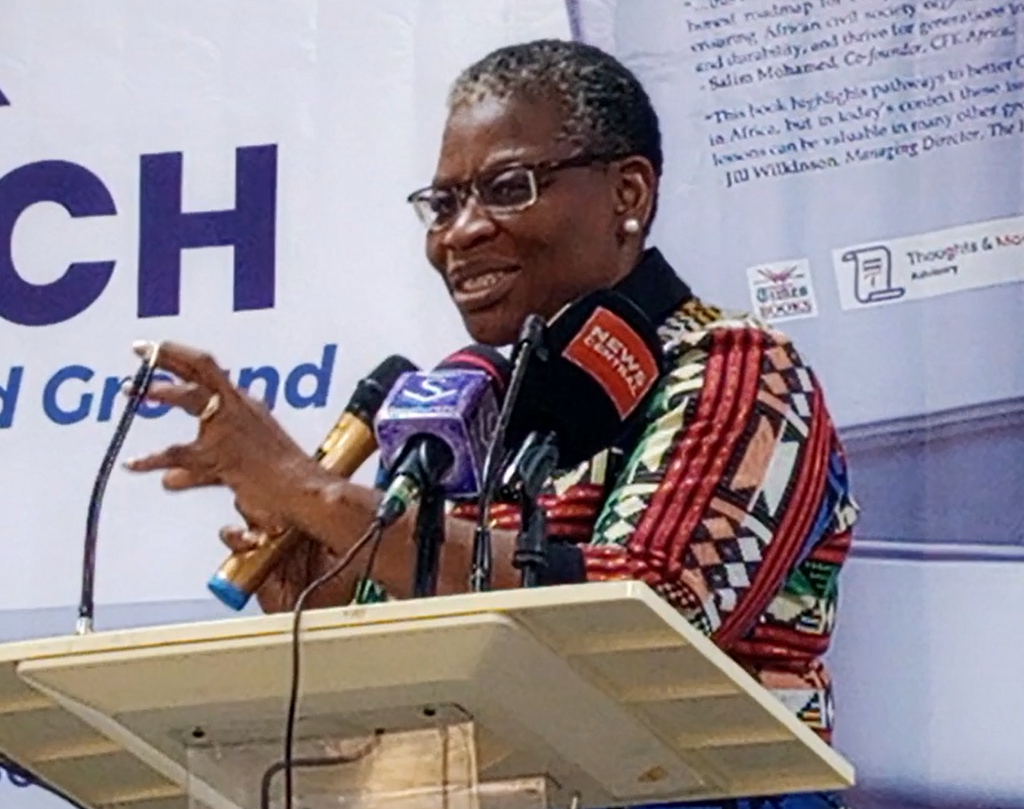
Delivering the keynote address, Dr. Obiageli “Oby” Ezekwesili, former Vice President of the World Bank for Africa and former Minister of Education, described the current situation as “the most disruptive funding shock in generations.”
With funding cuts from traditional development partners such as USAID, the UK’s Foreign, Commonwealth and Development Office (FCDO), and several Nordic donors, many organisations across Africa have been forced to scale down programmes, lay off staff, or shut their doors altogether.
“The moment our funding source can collapse our organizations, our funding source has become our master,” Ezekwesili warned.
She argued that resilience should not be treated as a conference buzzword but as a daily responsibility for organisations committed to social change.
“We are in a state of fragility where we need an anti-fragility strategy, and sustainability and resilience are the most effective anti-fragility strategies,” she said. “It must be elevated from a sector survival conversation to an African self-determination conversation.”
Moving from Personalities to Institutions
Reviewing the book, Dr. Otive Igbuzor, Founding Executive Director of the African Centre for Leadership, Strategy and Development (Centre LSD), pointed to another challenge confronting the sector.
According to him, many organisations remain heavily dependent on their founders, making them vulnerable when leadership changes.
“Many organizations collapse once founders leave because systems, structures, and institutional culture were never developed,” he noted.
The book argues that long-term sustainability requires organisations to invest in strategy, governance, talent development, fundraising, and visibility. More importantly, it places strategy and governance before fundraising, challenging the belief that money alone guarantees institutional survival.
Global Ambition, Local Roots
For Dr. Kole Shettima, Country Director of the MacArthur Foundation, the conversation was also about ownership and ambition.
He stressed the importance of Africans documenting their own experiences and telling their own stories rather than relying on outsiders to define the continent’s realities.
Shettima highlighted organisations such as BudgIT, Follow The Money, and LEAP Africa, which began as local initiatives but have grown into internationally recognised institutions.
“Why don’t we have more African organizations at the global level, so our people can stop working for imperial organizations and work for our own internationalized bodies?” he asked.
At the same time, he stressed that strong local foundations must support global influence. He called for greater domestic philanthropy and policy reforms that encourage corporate and individual giving to civil society causes.
The Blueprint: 5 Pillars for an Enduring Civic Sector
At the heart of Dr. Ezekwesili’s message was a simple but urgent call: African civil society must rethink how it is built. She outlined five pillars which, if deliberately institutionalised, could help organisations move beyond survival and build lasting, resilient institutions.
5 Pillars for Building on Solid Ground
From “Resilience Beyond Donors”, Abuja, Q2 2026
💰 1. Indigenous Financing as Architecture
Shift from donor dependence to hybrid models: African philanthropy, earned income, social enterprises, faith-based giving, diaspora contributions.
⚖️ 2. Governance as Substance
Active boards. Publish financials. Enforce conflict-of-interest + whistleblower policies. Plan founder succession.
👥 3. A Dignified Talent Covenant
Pay staff with dignity. Treat human capital as nation-builders, not cheap project labor. Stop the brain drain.
🤝 4. Movements Over Silos
Build coalitions and mass civic movements. Collective action creates legitimacy that isolated groups lack.
🔒 5. Digital Sovereignty & Security
Own your data. Secure communications. Build digital defense strategies against AI and surveillance threats.
“Sustainability and resilience are the most effective anti-fragility strategies”
— Dr. Oby Ezekwesili
Below is a deeper look at each pillar, with Dr. Ezekwesili’s full reasoning from the Abuja presentation:
1. Indigenous Financing as Architecture
Organizations must consciously move away from total foreign dependency toward hybrid financial models. This means tapping into African corporate philanthropy, earned income, social enterprises, faith-based giving, and structured diaspora contributions. CSOs should deliberately scale their operations to what the local financing architecture can genuinely sustain.
2. Governance as Substance
Civil society cannot demand transparency and accountability from public offices while not practicing that internally. Organizations must adopt rigorous institutional governance:
- Active Boards: Transition from decorative boards of influential names to boards that actually govern and make determinations.
- Radical Transparency: Move beyond basic annual audits to publicly publishing financial statements.
- Enforced Safeguards: Implement and strictly enforce conflict-of-interest, anti-corruption, and whistleblower protection policies.
- Succession Planning: Design deliberate founder succession frameworks to ensure smooth intergenerational continuity.
3. A Dignified Talent Covenant
“Civil society is not where people go when they cannot find jobs elsewhere,” Dr. Ezekwesili noted. “It is where you solve governance problems.” To halt the steady brain drain of brilliant minds voting with their feet, CSOs must pay their staff with dignity. Human capital must be treated as strategic organizers and nation-builders, not cheap project labor.
4. Movements Over Silos
A “me and my NGO” mentality cannot successfully challenge entrenched, poorly governed power structures. The atomization of the civic space leaves isolated groups vulnerable. CSOs must actively build broad coalitions and mass civic movements, creating the collective public legitimacy that individual organizations lack.
5. Digital Sovereignty and Security
In an era of rapid AI integration, state-backed digital surveillance, and algorithmic threats, data security can no longer be a tech afterthought. African CSOs must own their data, establish secure communication channels, and construct proactive digital defense strategies to protect their networks from hostile actors.
A Defining Conversation
Attended by the Netherlands Ambassador to Nigeria, the UK Deputy High Commissioner, and emerging civic leaders, the gathering reflected a growing recognition that African civil society is entering a new phase.
The challenges are significant, but many participants viewed the current moment as an opportunity to rethink old models and build stronger institutions rooted in local legitimacy and long-term sustainability.
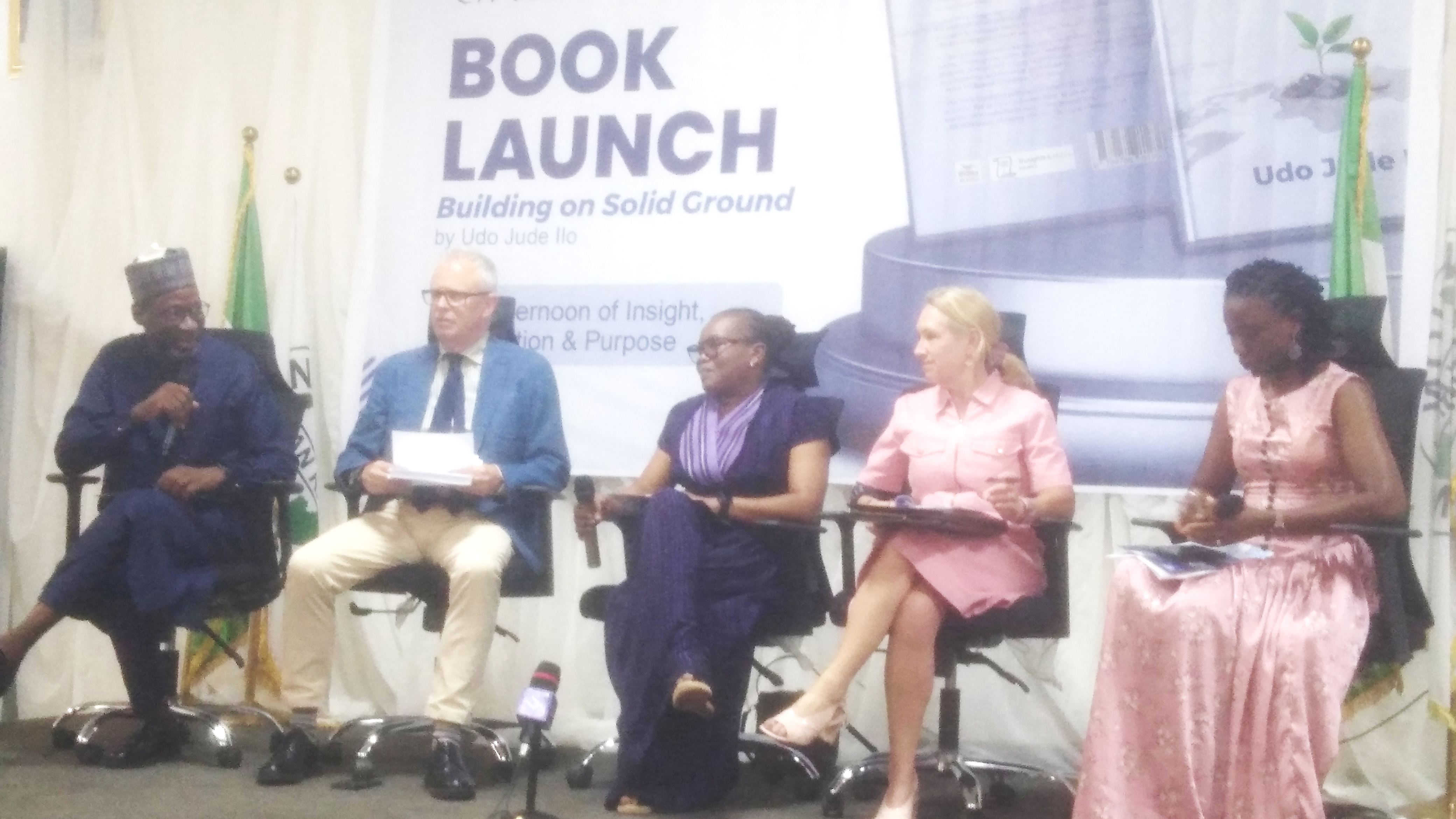
For civil society to remain a force for democracy, social justice, and public accountability across Africa, it must build institutions that are bigger than their founders, stronger than funding cycles, and firmly rooted in the communities they serve, institutions capable of enduring crises, adapting to change, and standing the test of time. The author knows this firsthand. Reflecting on his own path, Udo Jude Ilo said, “And it made me ambitious ….”
The author reflects
“And it made me ambitious. I wasn’t okay with just sitting there and being a project officer, I wanted to be more. And I was given the space to grow. Of course, there’s no perfect organization. But when it came to intellectual space, I got that. And I’ve been very fortunate that all of the organizations I’ve worked with gave me that space.”
— Udo Jude Ilo
As the author, diplomats, and panelists held up copies of Building on Solid Ground for the final photographs, the day’s ultimate takeaway was clear: sustainability is not a matter of luck; it is a matter of design. It is time for African civil society to get back to the design table.